
Do You Actually Need a Vitamin C Serum?
Vitamin C is one of the most-marketed ingredients in skincare — and we get asked about it a lot. If only climate change had this kind of PR. You've probably wondered why you won't find it on our shelves. We have a lot to say — surprise, surprise.
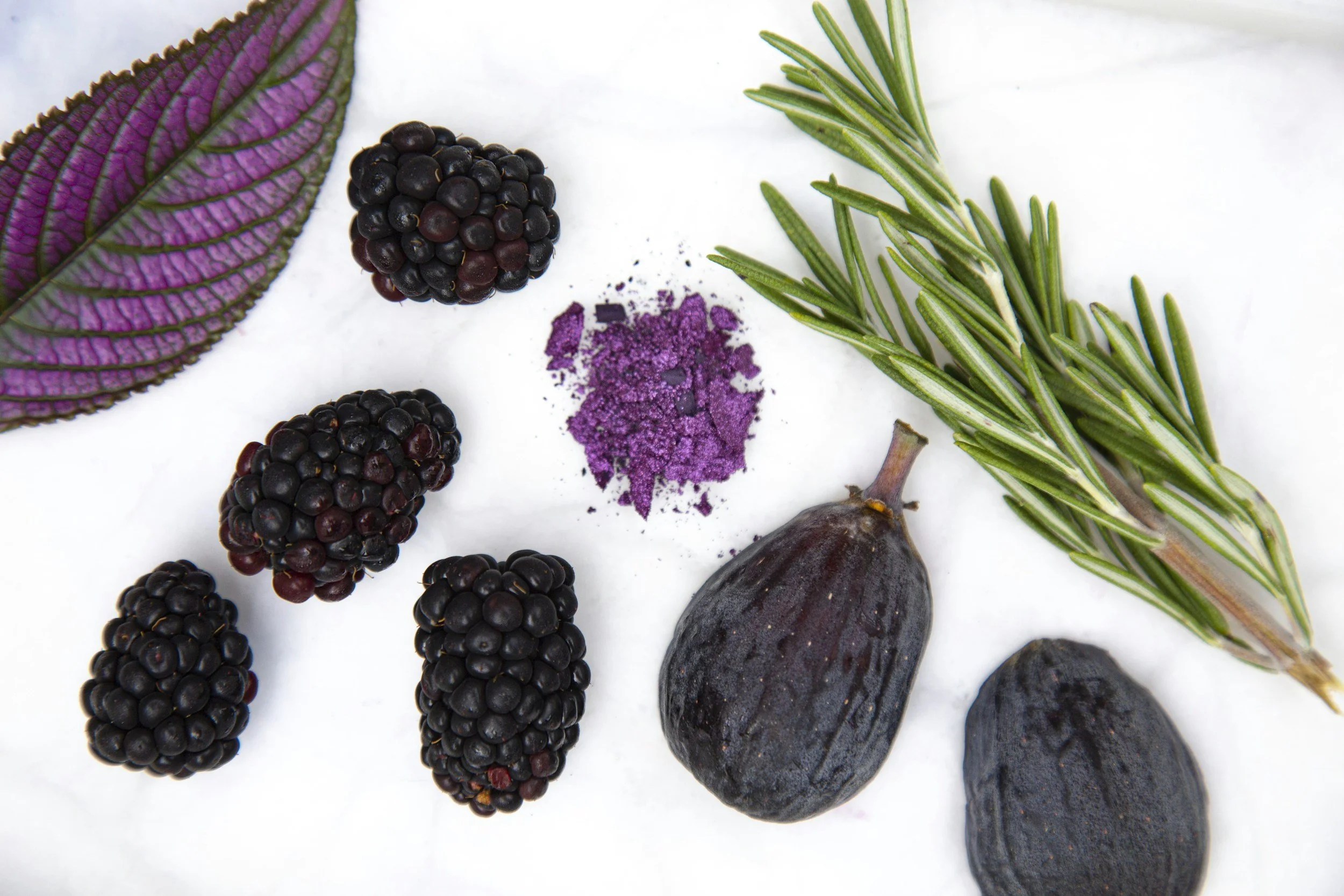
First, the most important thing: it works best from the inside.
Vitamin C is an essential nutrient. Your body needs it for tissue repair, immune function, and collagen synthesis — and it can't produce it on its own. What the research actually shows is that ingested vitamin C, through food and supplementation, is what most efficiently reaches the dermis, where the real collagen-building work happens.
Topical application works differently. It acts closer to the surface, where it can offer some antioxidant protection. But if you're eating a varied, plant-rich diet — or taking a quality supplement (we love the one from Cymbiotika, see below) — you're already doing the most meaningful thing for your skin from the inside out.
But here's where it gets nuanced: your skin absolutely needs antioxidant protection topically too. Those are two different jobs. Ingested antioxidants (and there are loads to choose from--fresh produce, green tea, supplements, herbs etc.) support your skin from the inside out — collagen, repair, resilience. Topical antioxidants defend the surface from what hits it every day — UV, pollution, oxidative stress, environmental damage that your diet alone can't intercept. You need both.
Our question has never been whether to use topical antioxidants. It's whether vitamin C is the best one for the job — and we don't think it is.
To be fair: formulations are improving. There are some genuinely good vitamin C products out there, and the science around stabilization keeps advancing. We're not dismissing the ingredient entirely. But until one of our trusted formulators brings us something we know to be cutting-edge, rigorously tested, and worth standing behind — who knows, maybe that day comes — we'll stick with what we know to be safe, gentle, and frankly just better.
Stability is a genuine problem.
In its most potent form — ascorbic acid — vitamin C oxidizes quickly when exposed to light and air. Pedro from Twelve Beauty explains it well:
"Did you know that formulas can degrade just as much from oxidation as from micro-organism nasties? And that this same free radical activity over time can also have a negative effect on your own body, both internally and externally?"
Vitamin C derivatives are more stable but significantly less active — they have to be converted in the skin before doing anything useful. Either way, the formula is working around a limitation. It's worth asking: why, when we have ingredients that don't have this problem?
We see it cause irritation — often.
Ascorbic acid is acidic — and yes, so is healthy skin, sitting naturally around pH 4.5–5.5. (This, incidentally, is exactly why we kind of freak out when we hear you're washing your face with soap. Bar soap typically sits at pH 9–10, which is wildly alkaline for skin and wreaks havoc on the acid mantle. (But that's a newsletter for another day.)
Here's the thing--in order to stay stable and actually penetrate, vitamin C serums need to be formulated at a much lower pH, typically around 2.5 to 3.5. That sharp drop goes well beyond your skin's natural range, and for sensitized or barrier-compromised skin, it can disrupt the acid mantle and trigger inflammation. Add in the fact that oxidizing ascorbic acid produces irritating byproducts as it degrades, and you have a formula that asks a lot of reactive skin. In our experience in the treatment room, it's one of the more common culprits when clients come in with unexplained redness or reactivity.
Antioxidants are the point — not vitamin C specifically.
The goal is antioxidant protection, and vitamin C is just one way to get there. A heavily marketed one. Not the only one.
Antioxidants do two things: they protect the formula itself from degrading, and they protect your skin from cellular damage caused by free radicals — slowing aging, boosting radiance, improving texture, strengthening the barrier. The research is robust.
What causes the damage? Oxygen, light, UVA/UVB, pollution, — essentially everything your skin faces daily. Pedro Catala of Twelve Beauty has spent years identifying the most effective botanical antioxidants in existence. His formulas are understated, yet incredibly effective — we've seen many skin issues resolve on a Twelve protocol. You'll find no vitamin C here, but rather botanicals like White Genepi, Butterfly Bush Leaf, Masterwort, Tocopherol, and Mallow: among the most powerful free-radical fighters available — stable, biocompatible, and gentle.
Dr. Tiina Meder champions niacinamide, and so do we. This B vitamin boosts cellular oxygenation and production of collagen, ceramides and other essential compounds, brightening and and energizing the skin.
There are more than 4,000 known flavonoids alone. Don't limit yourself to the most marketed one.
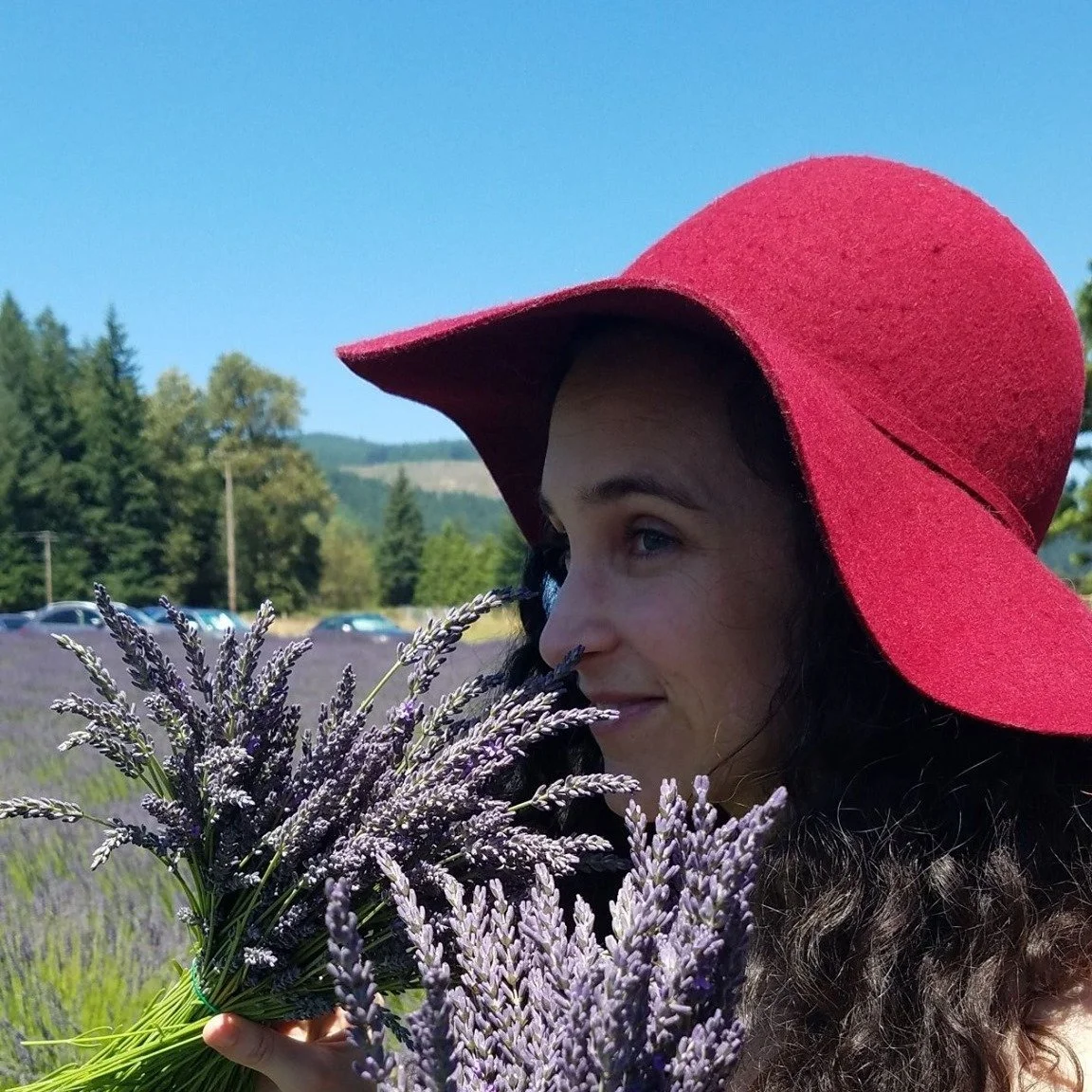
Katie!
Katie Glyer is an herbalist and skincare formulator/founder of Wild Grace Apothecary based in Eugene, Oregon, who works closely with local farms to source her botanicals. She's one of our most valued partners — and someone we love to learn from. We asked her what she thought about Vitamin C, antioxidants and why you will never see an isolated constituent in her bottles (if you've tried her formulas, you know how brimming with vitality they are!)
"When you take an active constituent away from all the other compounds in a plant, you lose the synergy of all the compounds in that plant. You lose the spirit, the essence, the personality of the plant.
The problem with isolated vitamin C topically is that it can cause further irritation for sensitized skin.
Whole plants contain not only vitamin C but also additional constituents such as mucilage, fats, vitamins A & E, and minerals, ensuring the product is gentle, effective, and truly nourishing for your skin. It goes from being an isolated extract to actual skin food."
Here's a selection of antioxidant-packed formulas on our shelves right now. Each one takes a different approach, but all share a commitment to antioxidant protection through whole-plant intelligence.
Our shelves are full of antioxidant-packed formulas—inside and out. We would love to chat skincare with you. Book a facial, consultation or shopping appointment here.